
Back in the day, calibration documentation was recorded using pen and paper. Calibration results were documented manually, making records difficult to search, analyze, and share.
Then, digital calibration records emerged through spreadsheets and databases. However, calibration data still had to be entered manually, increasing the risk of errors and making the process time-consuming.
Later, computerized maintenance management systems (CMMS) and enterprise asset management (EAM) systems introduced functionality for storing calibration records. While these systems centralized calibration documentation, automation was typically limited, and analysis of calibration data was minimal or non-existent.
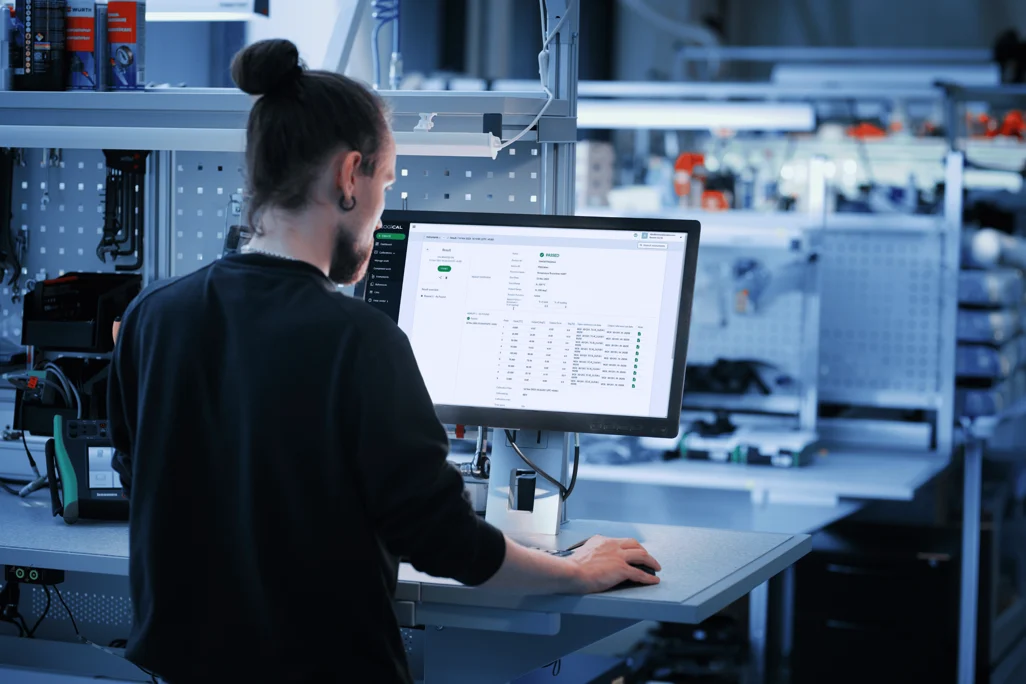
The ultimate step is to use a dedicated calibration management software, made for this purpose. It automates calibration data collection, improves traceability, reduces manual data entry, and enables reporting, trend analysis, and data-driven calibration decisions.
Read the Beamex blog on The evolution of calibration documentation >